
The Fight Between Fear and Reason
The Cabin at the End of the WorldThis flow traces how trauma, concussion, and apparent evidence shape conflicting interpretations of the apocalypse.
increasing Bearing strength in each event
 decreasing
Bearing strength in each eventdecreasingDifferent First Impressions
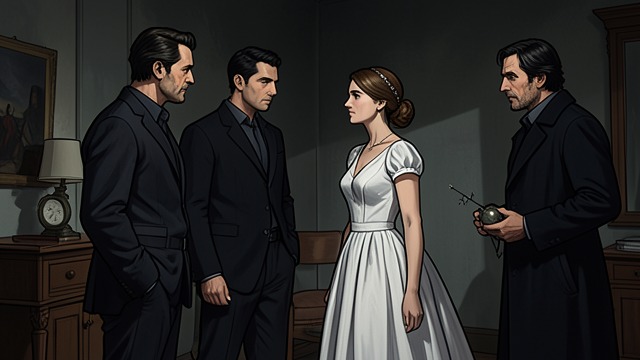
Different First Impressions
Cautious Interpretation
Eric and Andrew initially treat the visitors as dangerous people using a strange religious pitch. They look for explanations and ways to call for help.
Fear Under Uncertainty
The blocked phones and weapons make it difficult to test any claim safely. Their immediate problem is survival, not deciding what they believe.
The conflict between evidence and fear begins before Leonard names the apocalypse.
A Head Injury Complicates Judgment
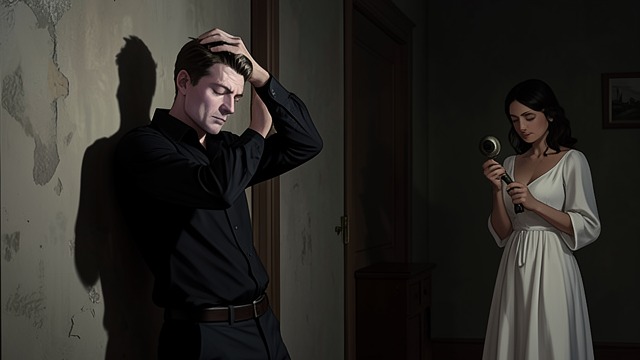
A Head Injury Complicates Judgment
Symptoms and Vulnerability
Eric develops pain, light sensitivity, nausea, and confusion after hitting his head. The injury disrupts his memory and makes concentration difficult.
An Uncertain Vision
He sees a figure of light before Redmond’s ritual death. Eric cannot establish whether the experience comes from his injured brain or an external presence.
The novel makes it impossible to cleanly separate supernatural possibility from bodily impairment.
The First Broadcast
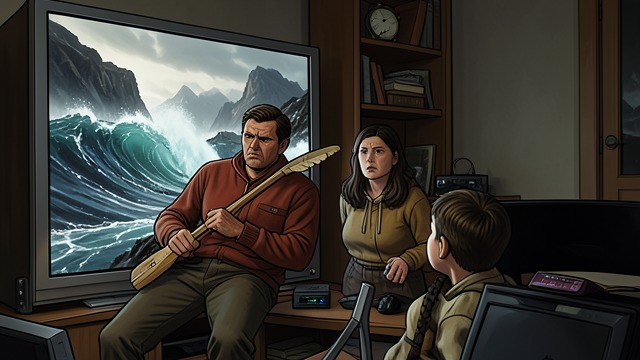
The First Broadcast
Evidence on Screen
The family watches reports of earthquakes and tsunamis. Leonard treats the images as confirmation, while Andrew suspects advance knowledge and deliberate timing.
Experience Versus Explanation
Eric is disturbed by the apparent accuracy, particularly when footage resembles Adriane’s claimed vision. Andrew continues looking for ordinary causes.
Both interpretations remain plausible within the pressure of captivity.
A Report with a Title
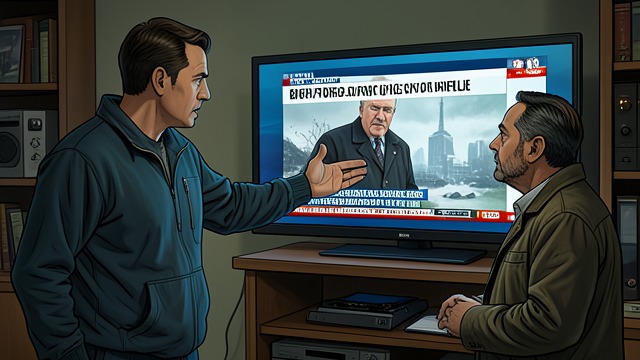
A Report with a Title
Andrew’s Counterevidence
Andrew identifies the bird flu broadcast as a preprogrammed show about a known outbreak. He argues that the visitors could have planned its timing.
Eric’s Unease
Eric agrees that the program may be scheduled but points to the earlier Cascadia quake and tsunami as harder evidence to explain away.
Neither partner can persuade the other to feel certain.
The Choice Left Open
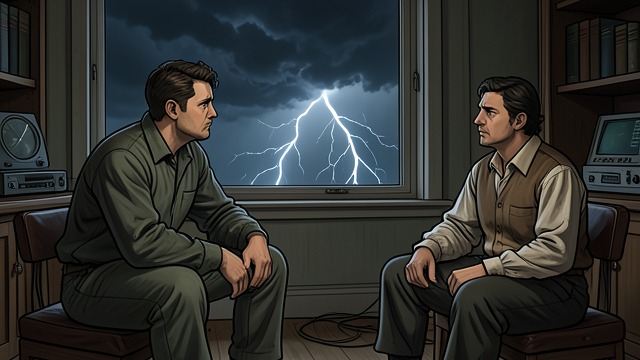
The Choice Left Open
Doubt After Loss
Eric believes the disasters may be real and considers sacrificing himself. Andrew believes the visitors manipulated events but cannot fully escape doubt.
Unresolved Reality
They refuse to harm one another without knowing whether the prophecy is true. The storm continues, offering no clear answer.
The novel’s conclusion makes uncertainty a condition they must live with rather than a mystery that can be solved.
When the visitors arrive
After Eric falls during the first escape attempt
The first evening of captivity
The second morning after Adriane’s death
In the forest during the final storm
